A cup of doodh patti chai on a dastarkhwan cloth, steam rising in soft light

The Dhansu story

Two men. One kitchen. Forty meals.

The rural-to-urban road most of urban Pakistan took a generation ago, ending at a stove in F-10.

Start reading

Mansehra and Khushab, via Islamabad

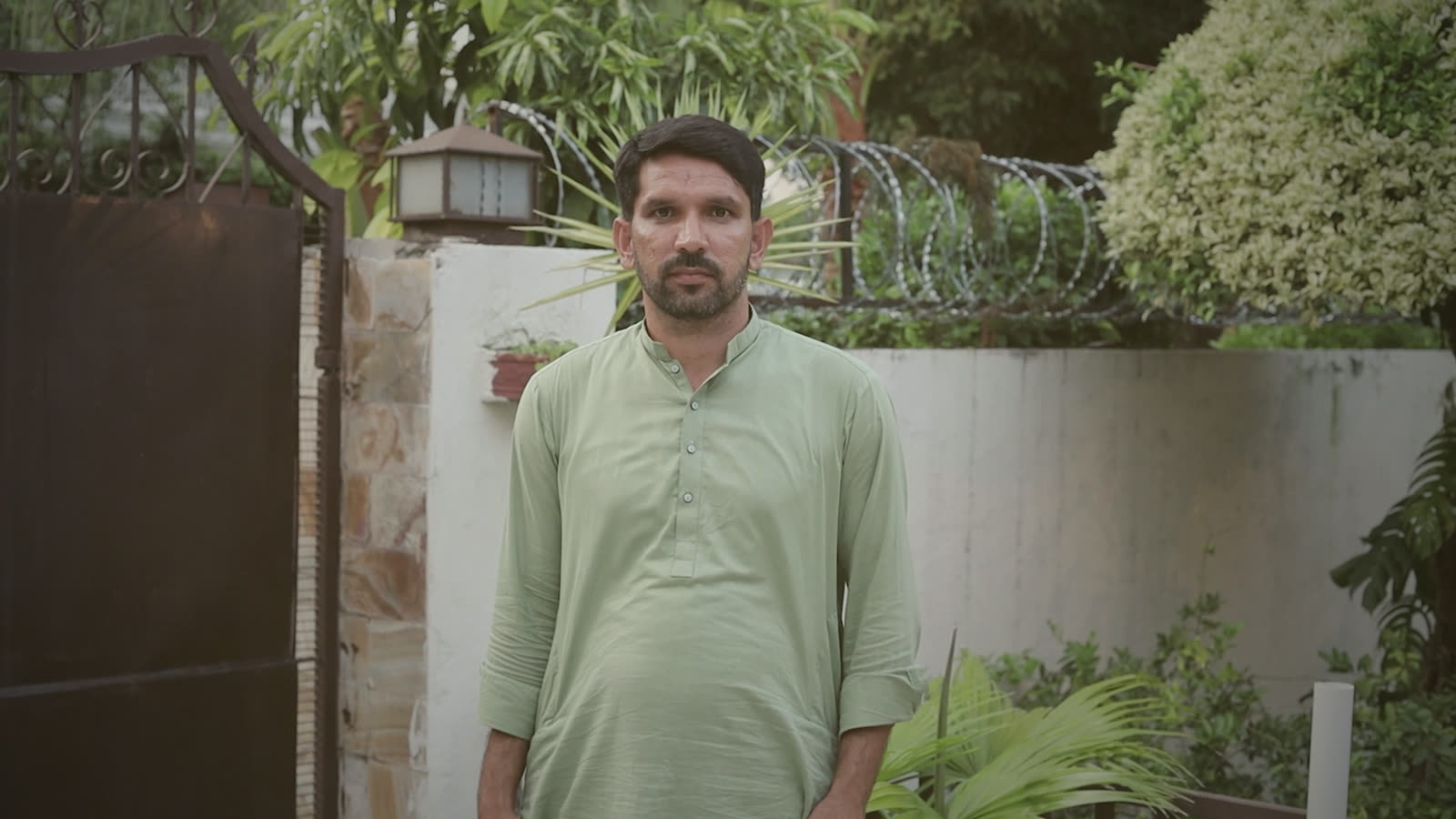
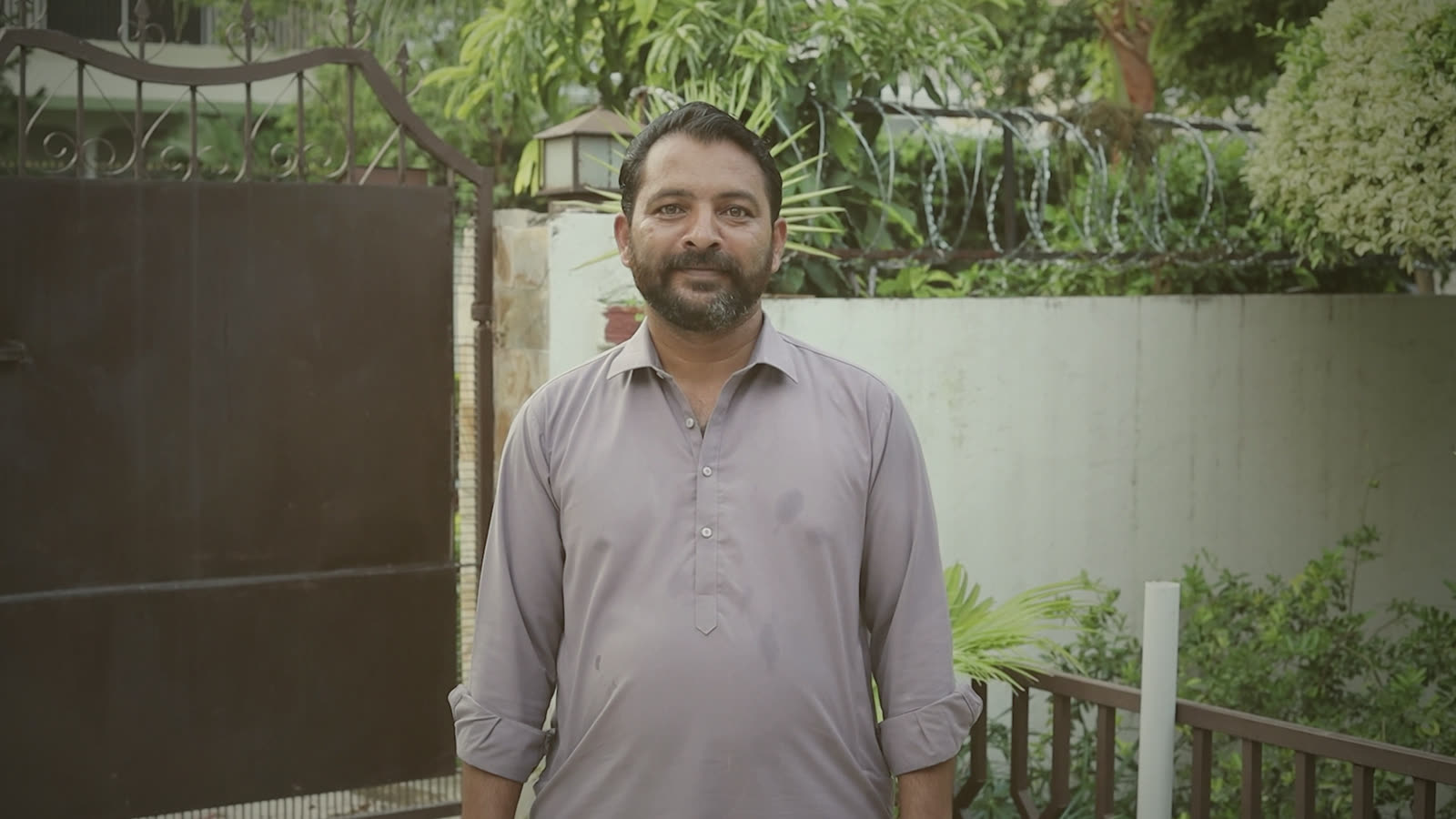
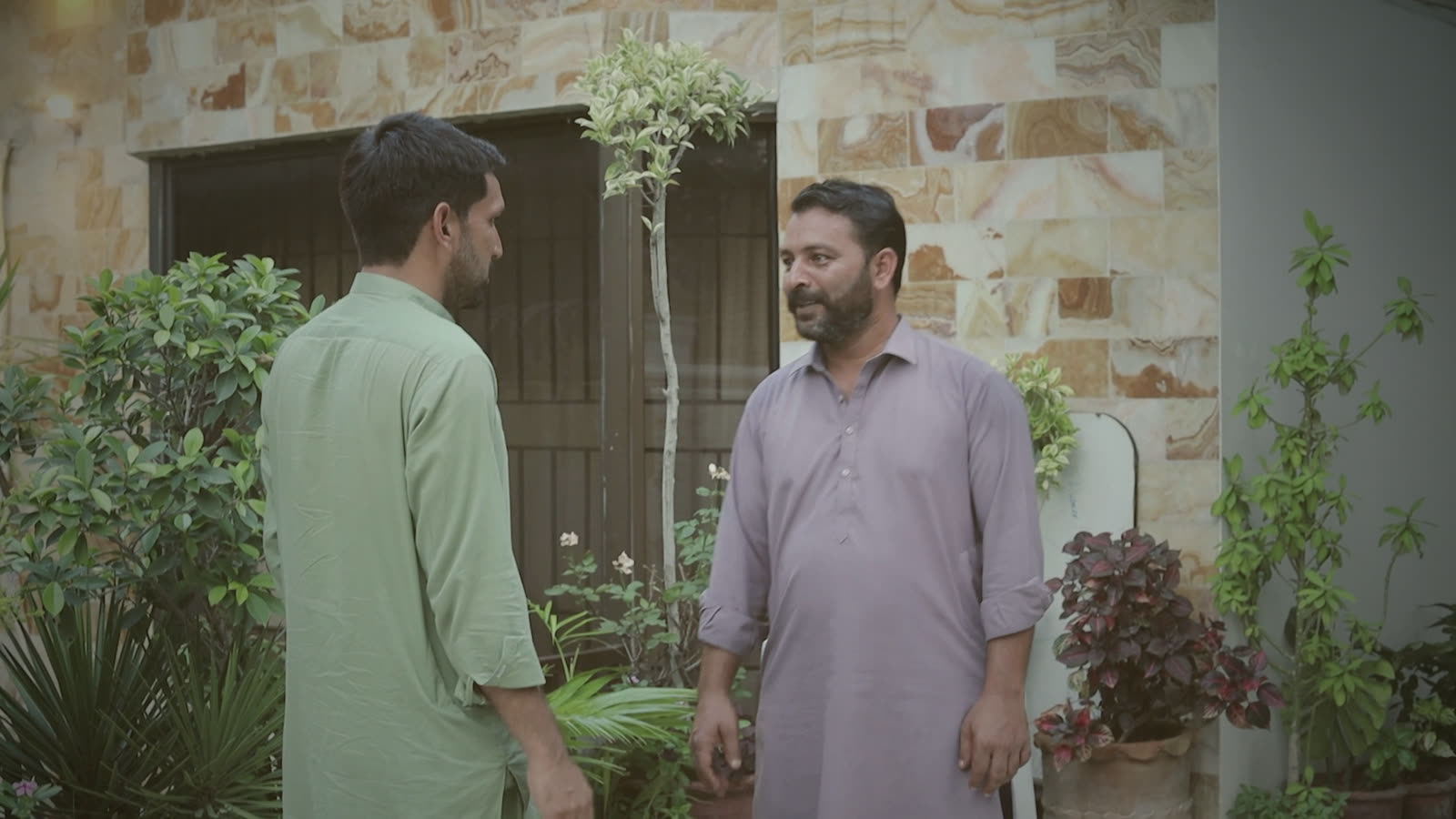
Waqas bhai is from Mansehra, where he learned that food is how a house welcomes you before anyone says a word. Haider bhai is from Khushab, where work is done properly or it is not called work. Both came to Islamabad almost ten years ago and served one household: Waqas at the stove, Haider on the road, working men doing ordinary jobs to an extraordinary standard.

Dhansu is their step out. Their own kitchen, their own name on the box, their own risk. Starting a business with your own hands in this city takes real courage, and they took it, because they know one thing better than almost anyone: roz ka khana, done right, every single day.
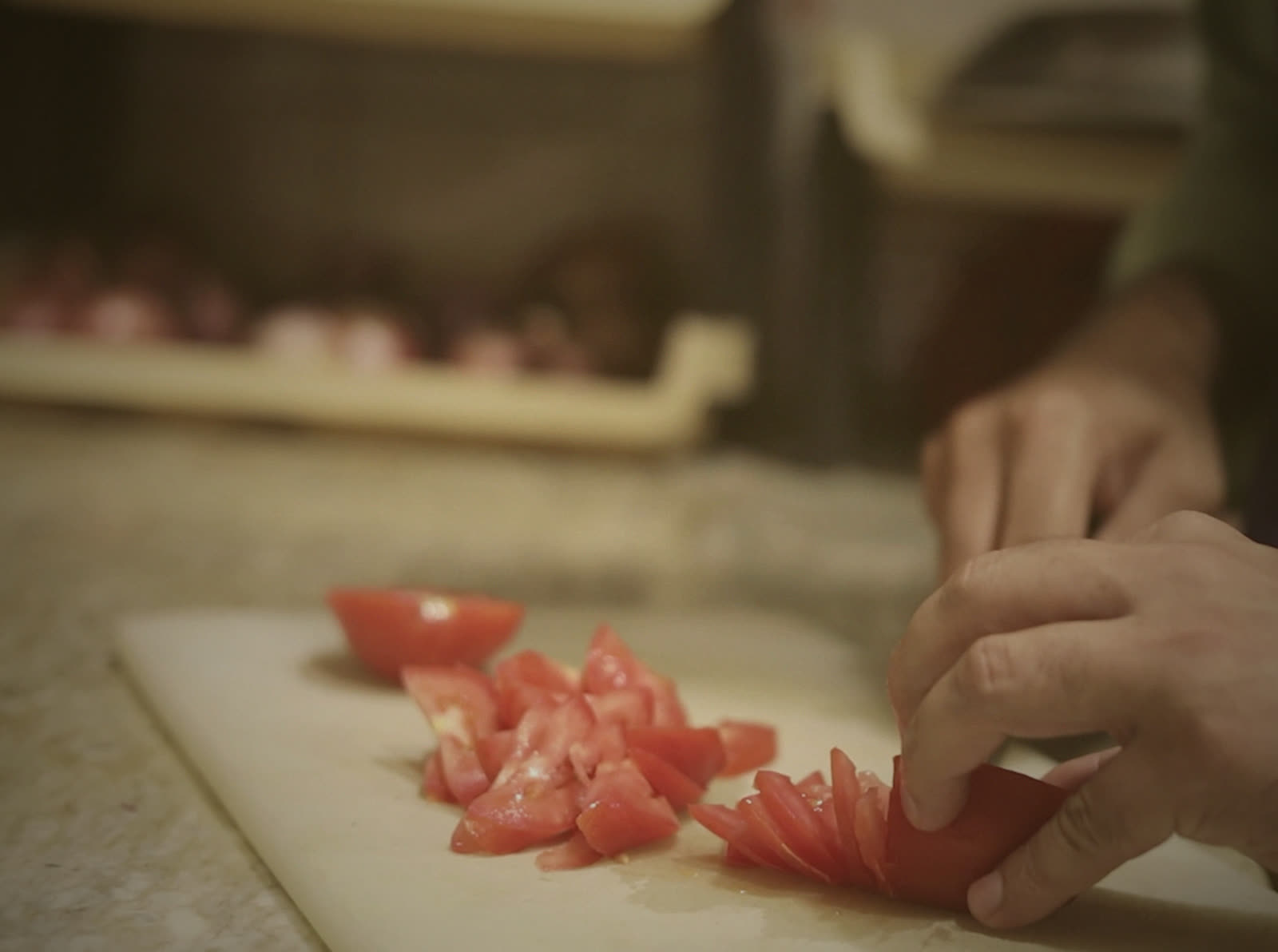
Hands rolling roti dough on a wooden board dusted with atta

The taste of home

Khana your ammi would recognise

This is the food you remember. The salan that simmered while you played outside. Roti made by hand, not by machine. Rice that announces itself to the whole street when the lid lifts. Spicy, honest, zaiqedaar.

It is not restaurant food dressed up as home food. It is home food, from a home, and you can eat it every day for a month without the heaviness that ordering in usually brings.

The morning ritual

Fresh from the mandi, every day

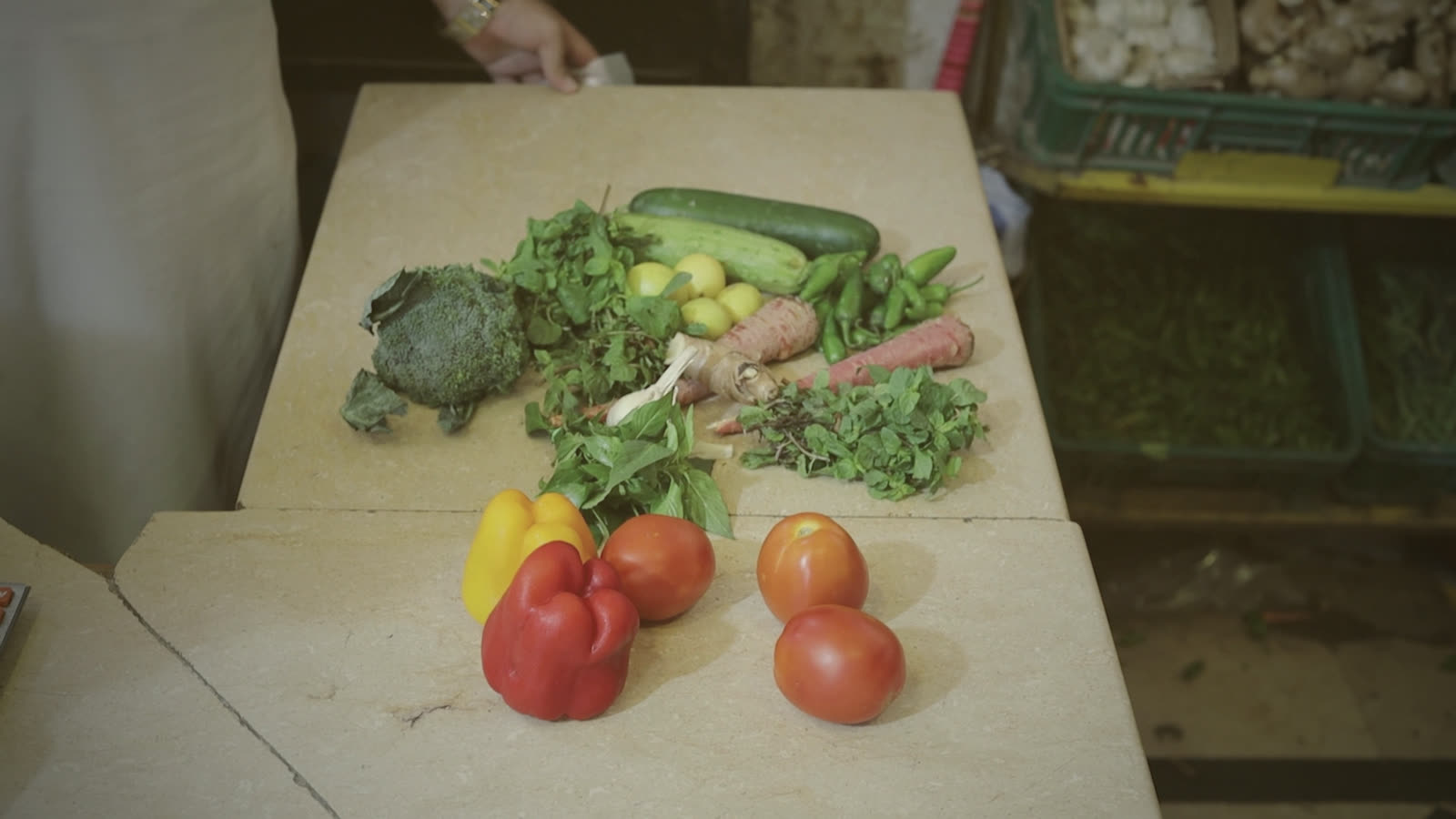
Every morning Haider is at the mandi buying that day's meat and vegetables for the exact number of lunches on the day's list. Only the best in the market that morning, and only as much as the day needs.

Nothing frozen, nothing stored, no yesterday hiding in today's degh. "Bought fresh this morning" is not a slogan here. It is the shopping list.

Garlic, ginger and whole spices laid out on a cloth

The forty meal promise

We cook for 40 people a day. Never more.

Forty is the number at which two men can cook, pack, and deliver every meal with full attention. Nothing is cooked in bulk the night before, nothing sits under a heat lamp, nothing is reheated. One dish a day, five days a week, and no dish repeats within the week.

When the forty seats are taken, they are taken. We would rather say sorry at seat 41 than cut a corner at meal 39.

The two names on the box

Muhammad Waqas

Mansehra · at the stove

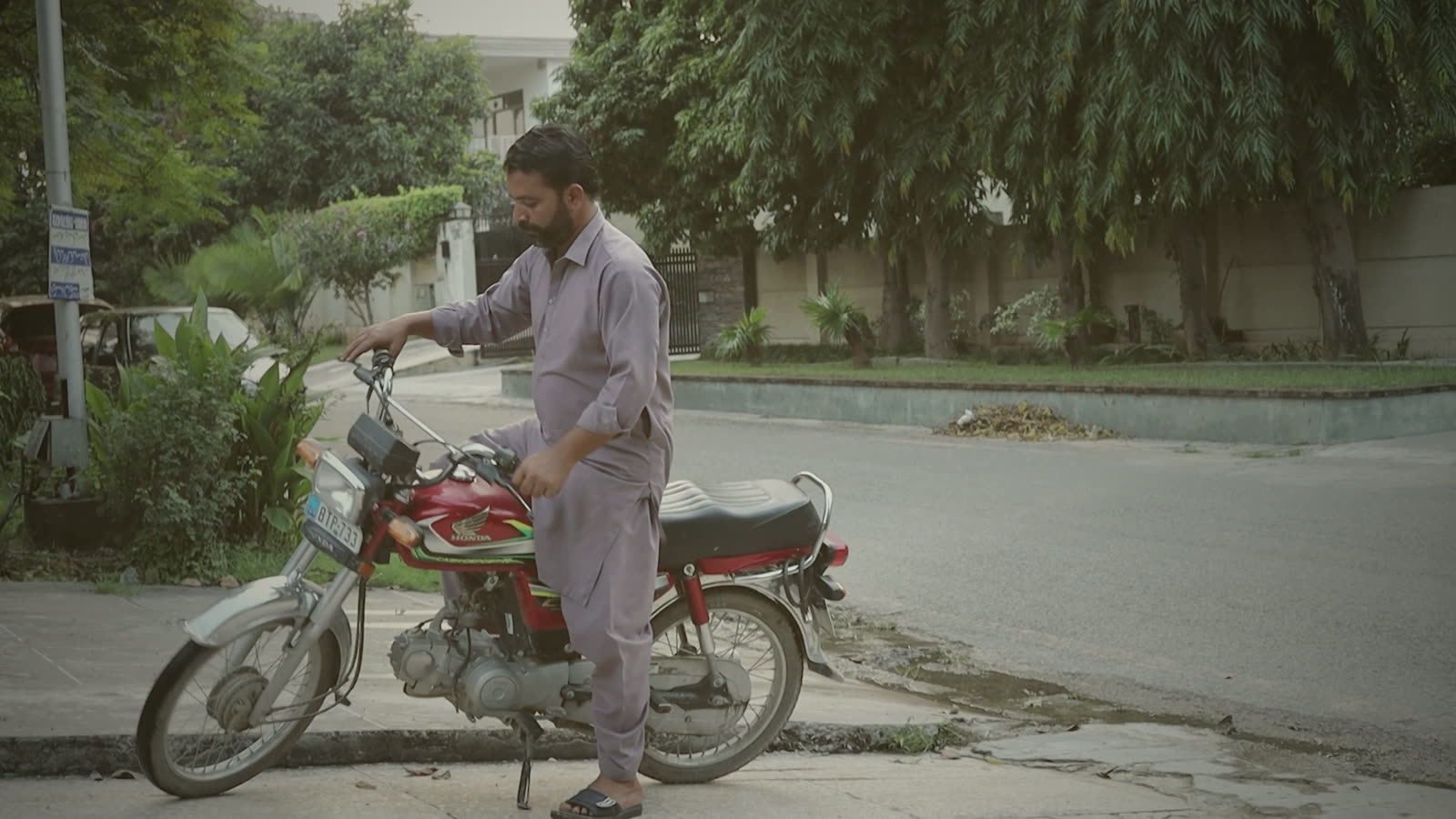
He still tastes every salan before it is packed. If it would not go to his own dastarkhwan, it does not go on the bike.

Zulqarnain Haider

Khushab · on the road

Ten years on Islamabad's roads before those roads became his delivery routes. He carries every box himself.

How a seat works

Three steps, one dastarkhwan

  1. The week's menu goes up every Sunday. Five dishes, one for each weekday, and no dish repeats within the week.
  2. You reserve a seat and pay for a block of lunches: a day to try us, a week, or a month. Forty seats, never more.
  3. Haider shops fresh at dawn, Waqas cooks, and lunch reaches your door between 12 and 2:30, Monday to Friday. Skip any day by 10 the night before.
Biryani on a steel platter from above, scattered with fresh coriander

The photographs on this page are placeholders while we shoot our own kitchen. The food is the real thing.